Skip to content Eating Disorders, with Rachael Gilbert Apr 26 · 39 min ...more
Eating Disorders, with Rachael Gilbert
April 26, 2023 · 39 min
Let’s talk about something that affects a lot of people, including those in the Christian community—eating disorders. We know it’s not an easy conversation to have, but that’s why Julia is bringing on licensed therapist and author Rachael Gilbert to Unapologetic—we never shy away from uncomfortable topics here.
With a shared background in counseling, Rachael and Julia have a unique perspective on the issue, recognizing that eating disorders are not just medical. Instead, Julia calls it “spiritual warfare.” Together, they provide practical tips and advice to help combat these struggles. And they’re not afraid to get personal—both Rachael and Julia share their experiences with eating disorders, reminding us that we’re not alone in this battle.
Rachael’s book, Image Restored, is available everywhere now! Connect with her at rachaelgilbert.com or by following her on Instagram.
Series Unapologetic with Julia Jeffress Sadler April 26, 2023 · 39 min · Unapologetic with Julia Jeffress Sadler
Let’s talk about something that affects a lot of people, including those in the Christian community—eating disorders. We know it’s not an easy conversation to have, but that’s why Julia is bringing on licensed therapist and author Rachael Gilbert to Unapologetic—we never shy away from uncomfortable topics here. With a shared background in counseling, Rachael and Julia have a unique perspective on the issue, recognizing that eating disorders are not just medical. Instead, Julia calls it “spiritual warfare.” Together, they provide practical tips and advice to help combat these struggles. And they’re not afraid to get personal—both Rachael and Julia share their experiences with eating disorders, reminding us that we’re not alone in this battle. Rachael’s book, Image Restored, is available everywhere now! Connect with her at rachaelgilbert.com or by following her on Instagram. ...more Show the full description Show less Let’s talk about something that affects a lot of people, including those in the Christian community—eating disorders. We know it’s not an easy conversation to have, but that’s why Julia is bringing on licensed therapist and author Rachael Gilbert to Unapologetic—we never shy away from uncomfortable topics here.
With a shared background in counseling, Rachael and Julia have a unique perspective on the issue, recognizing that eating disorders are not just medical. Instead, Julia calls it “spiritual warfare.” Together, they provide practical tips and advice to help combat these struggles. And they’re not afraid to get personal—both Rachael and Julia share their experiences with eating disorders, reminding us that we’re not alone in this battle.
Rachael’s book, Image Restored, is available everywhere now! Connect with her at rachaelgilbert.com or by following her on Instagram.
Series Unapologetic with Julia Jeffress Sadler
270K followers
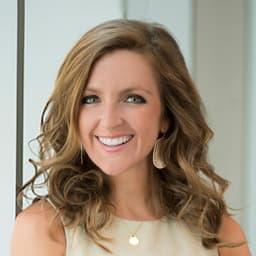
Julia Jeffress Sadler is bestselling author, licensed counselor, and the Next Gen Minister at First Baptist Dallas. She's passionate about discussing God’s Word on today’s topics.
270K followers
Comments No comments yet. Start the conversation.
0:00 God has specifically chosen you to be here at this time and in this place. You have incredible potential, purpose, and calling to push back the darkness and be a light for Christ.0:12 Stand for nothing and you'll fall for anything. It's time to stand your ground. This is Unapologetic. Hi everyone and welcome to Unapologetic. Today is an episode we have0:24 never had before. We've never had this topic covered, which is ironic because it's something so close to my heart and my personal story. We are talking about eating disorders. We're gonna talk about0:36 body image, and we are going to speak with 1 of my good friends who is really 1 of the only people that I know that is handling this issue from a biblical and0:47 clinical perspective. Her name is Rachel Gilbert. She has a very famous podcast, Real Talk with Rachel Gilbert, and she has a new book, Image Restored. I couldn't wait to get on the show. She and0:59 I first talked whenever Pray Big Things came out. We've stayed friends since then. She is a licensed professional counselor associate and a wellness coach, which I don't know what that is, but1:11 we're gonna find out. She's very fun, very practical, and you want to listen to today's episode. There's so many people struggling with body image, with eating disorders, especially in the Christian1:23 community. Please help me welcome Rachel to the show.1:26 Hi, Rachel. Hi, Julia. Thanks for having me.1:29 So we mainly talk over social and text, and it's funny because I love how God connects people that have the same desire and drive for certain issues and certain things they
1:41 wanna solve. And so when I saw that you were doing this, which you had real talk, which I've named like 3 things real talk in my life, and then the eating disorder book, that was something, don't even think I've told
1:53 you this, but that was 100 percent the career path I was choosing, and God called me into something else. And then when I saw you coming out with this, I was like, okay, she's on immediately. So we'll get to all that
2:04 soon, but I wanna ask you what we ask everyone, what do you wish Christians would stop apologizing for?
2:11 I wish Christians would stop apologizing for being too spiritual. Mhmm. You can apologize for being too religious. Go for it. But we gotta stop apologizing. You know, so that whole
2:23 saying of, sorry if this is too spiritual or too Christianese, but the answer is in the bible. Like, no. We need to stop apologizing. Just own it. Ditch the religion, but do not ditch the spiritual.
2:34 That is so funny you said that because we come from little different denominations. However, I always say bapticostal because my dad's dad was witnessed to by a Pentecostal pastor. So
2:46 we've always been very into listening to the holy spirit. I didn't even realize that wasn't a conversation a lot of people have, but that's always been a very big part of our church and my
2:58 dad's teaching and how I grew up. People are uncomfortable when you say, can we just pray right now? Like, I was really challenged on that recently. I was like, I do this in my quiet time. I do this with my family. I
3:10 believe this. Let's just go ahead I'm awkward anyway. Let's just go ahead and make it more awkward. It is hard to step into that.
3:17 Yeah. Why do you think that is? Well, because I will admit, and this is the part of me that I can always see both sides of the story, so it is hard for me to take stand on things because I'm going, But I do see your
3:28 point.
3:29 So I having be my therapist. Exactly. I was in there thinking that is a terrible point. Yeah. And now they probably should choose a different profession.
3:37 Yeah. Go ahead. There are definitely some people that I'm like, yeah, can't see your point. Sorry. Definitely not seeing your side of things. But on the overly spiritual thing, the thing I do see is it has been abused.
3:47 There have been some, let's just call it weirdos, and do some weird stuff that have kind of put a weird name out there of stepping out and us being a little bit afraid of offending or making Jesus seem
3:59 weird or whatever. And honestly, I've even been challenged in that because I feel like that is just something that I used to be a little more bold in that area. And then you hear people talking about, well, that was
4:10 weird, or that was strange, or that made me feel awkward. And you remember those things, especially as a counselor. I can't tell you, I'm sure you can relate to this, the number of people who've sat in my office who've
4:20 had bad experiences with church, with Christians, and they've even walked away from it because of those bad experiences. So it's almost made me pull back a little bit, but at the same time, God's
4:32 been prompting me to say, hey, just be wise. Like, you know, yes, pull back, have wisdom, Mhmm. Seek the holy spirit on if you're asking me to be bold and pray for somebody or do something like
4:44 that, but do it in a grace filled way. And then 1 other thing I have learned to do is I ask for permission. I never just say, I'm gonna pray for you right now.
4:51 That was explained. This is in the counseling office where you are supposed to do that.
4:56 Counseling and outside of counseling.
4:57 Oh, really?
4:58 Yeah. Like, I would just say, is it okay if I pray for you instead of just breaking out in prayer? Right? And so, yes, of course, in counseling, that only comes up even if they want Christian counseling. But even outside
5:08 of there, I'm just, yeah, just it's respecting where they're at right now and letting them feel like this is an invitation. You can take it or you can leave it.
5:16 I'm cracking up because that my tactic's a little more like this is gonna save your life and soul, and you're welcome. We're praying.
5:24 But, yeah, I know.
5:26 I'm just being funny,
5:27 of course,
5:27 but I think I have this whole theory because after being trained as a therapist, but God reminded me of my call to the local church, I've really seen certain personalities in certain
5:39 the enneagram didn't nobody was talking about that whenever I was in graduate school. But it's almost like certain personalities are drawn towards certain denominations for certain reasons.
5:49 Yeah.
5:49 And you have people that already really like rules, they really are already people that like knowledge, and they're more interested in ivory tower
6:01 just talking about theology. And they have people that are already more fun and like music and just lighter, I guess, the best way say it. And maybe they don't they're not super interested in
6:12 this, but I wanted to say this to your point because what you said is not what happens with the people I'm around. It happens with the clients I saw, but how I grew up. People are they've never
6:24 had anything like that. They've never had the holy spirit. Well, they think they haven't. Tell them to go talk to someone or do something. Like, they've never been taught to listen and to
6:36 witness. And so I think that also just realizing, like, that's a very big part of our faith is praying for people. Nicole Mullen was just here, I just have to say
6:47 this, and I mean, talk about making it weird, out of nowhere she started singing to me mid conversation, like right here, and she wasn't afraid to go there, and I'm like a class clown,
6:59 and I just started crying. Wow. So I think remembering, that's not what we're talking about today, but Christianity is an opinion, it's the truth, and it sets people free, and there's a different
7:11 power to that and different purpose whenever we remember this isn't my opinion, I'm not hurting someone's feelings, I'm saving them from hell, I'm making sure that they know that. So yeah, getting
7:22 spiritual and seeing things from that perspective, and some people aren't comfortable depending on their emotional maturity, but then you meet those people and their spirit filled, and they feel called, and
7:34 it ignites your spirit too. So that's not at all what we're talking about. Yeah, okay. But yeah, let's not be afraid to be spiritual for sure.
7:42 I do wanna say I think it does, sorry, was gonna I actually think it goes right into what we're talking about because as you mentioned, I am coming at the body image and eating disorders from that perspective of biblical
7:53 and therapeutic. And I do think that this is an area where people say, oh, body's over here, spirituality's over here, and apologize for bringing them together. Yeah. We're getting there. We're getting there.
8:05 Did you know I went to eating disorder treatment? Like, had an eating disorder for 2
8:08 years. Yeah. No. I didn't know that.
8:09 Oh, yeah. So Yeah. I actually told you that. Yeah. Yeah. So that's why I thought that's what I was supposed to do Yeah. Because the treatment was fantastic Wow. And the counseling was fantastic, and there wasn't 1
8:20 Christian thing about it. Yeah. And so everything that they were saying, which helped
8:26 Mhmm.
8:27 I was filtering through scripture, not I mean, it wasn't wrong. Yeah. All truth is god's truth. Psychology only brings you so far Mhmm. Without bringing in Christianity
8:36 and God.
8:37 And so I just wanna give this example when we're talking about eating disorders. This is a world renowned center, and God rescued me, but he used medical staff and non
8:49 Christian therapists to medically save my life. And then because I was a Christian, I was able to also, of course, talk to God and think about things from a spiritual warfare. But that medical this is a question I
9:01 get a lot, and I want you to talk about this. The question I get all the time is, oh, like my child's suicidal or my, you know, someone's struggling with something, don't they need a Christian facility?
9:13 And honestly, you're not gonna find a bunch of Christian hospitals. You're trying to save their life. It's an emergency. And they're not even in a place, like, they're not having bible study. You're trying to make sure
9:22 they don't die. Yeah. But then they do need Christian counseling. They do need someone. I mean, I'm just gonna say it. It's not my opinion. It's true. Like, there's only so much help a therapist can give if they don't
9:33 even know Jesus. Okay. So talk to us about that. What is the tie there, the relationship between spirituality and therapy and eating disorders?
9:43 Yeah. I think that's probably been my favorite thing about becoming a therapist. I don't know that I saw this 1 coming for me because you may not know this about me, but I am a pastor's kid.
9:55 No, I do. Do?
9:57 Yeah. No. You can tell. Like, people just have a different, like, they're funnier and they have a different understanding
10:03 of things. Yeah. Yeah. So I mean, same thing, like I didn't honestly see this coming for me to go into this field. I thought I was going probably into ministry or
10:15 something.
10:16 Never ministry, but we'll talk about that Yes,
10:19 yes, for sure. And funny side note, well, I don't know if it's funny or sad, but I had actually never seen a therapist myself until I was in graduate school to become 1.
10:28 Funny. And I went. Was, like, snuck in in the side door. They're like, help her somehow.
10:33 Yeah. But see, I wish like, that's my heart right now behind what I do. I wish I desperately needed that as a teenager. I desperately needed it. And that's
10:45 why I suffered in silence for so many years was because I just kept hoping, okay, maybe this time this prayer will work or this Bible verse will work. Don't get me wrong, we are here for all those things
10:57 and we can talk about that. But that's the beauty of exactly like what you mentioned when you were in a facility that brought the medical treatment, brought all the science things. It's like he said, all those things are
11:06 God's.
11:07 Yeah, all truth is God's
11:08 All of it is His. They just discovered it. They're like, oh, wow. They won't give him credit maybe, but they discovered, oh, this is something that God gave us so many ways to heal and it looks different. And so that's
11:19 where my heart lies so much that once I became a counselor and went to counseling, I remember my first session I left and I was like, where has that been all my life? Oh my goodness. And it was just amazing and got
11:31 so much freedom. And so that's my heart though is really, and I say this often is that I feel called to bridge the gap between faith and therapy. Yeah. Because so often we wanna put them in 2 different
11:42 camps. We say, okay, faith in psychology, you get to stay over here and bible and prayer and church, you're over here. And I'm like, wait,
11:50 hold on.
11:50 Why can't we bring the 2 together? And it's a beautiful thing when that happens, and I even love as a Christian counselor, I counsel people who are not believers, and at first that was another thing I thought, how do I
12:02 do that?
12:02 I was like, it's the best. You're like, do you feel something? Like, something's missing?
12:08 Yes. Yeah. No.
12:10 Yeah. I'm just being funny, but, like, it's actually more exciting.
12:13 It is. Is so exciting.
12:15 God brings them to you, and you know it's for a reason. Mhmm. And then it's I mean, I can't even tell you all the stories, but, like Yeah. Just the insane open doors. I had someone that was like, don't talk to me about
12:25 Jesus. So for a year, I was like, oh god, please somehow open this door, and then ended up accepting Christ like a year later.
12:32 Yeah. Yes. Oh, I have the same kinds of stories of just not atheists worshiping Greek gods, all kinds of different things. And I remember when I was in graduate school, I had a supervisor who I asked her that
12:44 question. Was like, how do I counsel somebody who's not a Christian? Like, because I wanna be a good counselor, but also just trying to figure that out. And she said, well, Rachel, everybody has a faith. Even atheists,
12:55 their faith is no God. You know? So she said, just ask them in your first session, what is your faith? Yeah. Just so you know. And that has opened so many doors of amazing conversations, and it helped
13:07 me too. So that's my heart. Back to the original question of how do all these things come together? It's amazing.
13:13 Wow. You remember that original question? Sorry.
13:16 Okay. Wow. That's fantastic. Okay. I think that kind of sums up for how they come together is we have so many amazing tools at our fingertips with the medical side of things, and then when you bring the faith piece in,
13:27 it's just a beautiful combination.
13:30 It is, but very few people do it. Mhmm. So that's why we're gonna talk about what you're So after I got freedom from that and healing, then that was my favorite thing because
13:42 I used John 10 10, the thief comes to steal, kill, and destroy, but I, Jesus, have come that you may have life and have it to the fullest. Very few people are aware of the Christian propensity for whatever reason
13:53 towards eating disorders, there's a lot of theories on that. And then also that they're so deadly, like, they are the most deadly diagnosis. Yep. And then there's people are
14:05 confused about what it looks like. They think you have to look like these horrible emaciated pictures to die when really you can be purging and die from a heart attack. So we'll talk about that, but a lot of people
14:17 don't know. And then there is confusion about what happens, like, in the brain. Like, well, why don't they just stop? And something that you're talking about, which is so important, is that there's a
14:29 reason that God created medicine, and there's a reason he created the church, and I don't look in first Corinthians for how to conduct open heart surgery. I mean, it's not a medical guide.
14:41 So sometimes there's crossover, and sometimes it's really just an emergency medical situation. I don't wanna discount real quick before we talk about some of the other stuff, there are plenty of
14:53 Christian therapists who don't know the bible, and they're not I mean, they do not I mean, I've worked with them, and they're never gonna talk about sin, and they're never gonna ever, you know, put their beliefs
15:05 on someone. I mean, it's a little I had to encourage more than 1 counselor. You're a Christian first. Like, you are supposed to evangelize. And if you're licensed, you have to do that in a certain way. Mhmm. But
15:16 there's not a question, like counseling's still your profession. Like, we still have a call, and that call is to help the people that God has put in our lives. But they're bad Christian counselors, and they're ones that
15:27 don't talk about anything spiritual and even direct people in the wrong way. So something our professor said is, I mean, even if you're going to see a Christian, you need to ask them just like you would if you were
15:39 visiting a church. What is your view of marriage? Are you gonna encourage us towards divorce? Like, what is your theory here? And ask them their view of the bible. I read someone,
15:50 counselor. Everyone's reading them right now. You know, New York Times bestselling book. And I opened it up, and it was Romans 1 he was using for something. Just left out like 1
16:02 important verse about sin and homosexuality and how sexual sin affects your soul. So just realizing for our listeners, like, just because someone says they're a Christian, that doesn't
16:13 mean that they're gonna give you good counsel. So go ahead and ask doctrine and what they believe about certain things for sure. Okay. So let's talk about how you got interested in
16:25 eating disorders specifically.
16:27 Yeah. Well, because like you, I had 1. Mhmm. And nobody diagnosed me with it because remember, I'd never seen a therapist. Mhmm. And in fact, it was kind of just seen as it's what you do and
16:39 had another teen friend who we would do some disordered eating things together. And it was just something that I wrestled through alone starting at the age of 15. And it wasn't until I got married, and marriage
16:51 has a beautiful way of all the things that we were able to keep hidden and secret to ourselves, we can't do that anymore. And my husband noticed, something's not right. And so he was the first 1
17:03 who kind of got, you know, a clue that, no, that's not normal, Rachel. That's that's not healthy. Yeah. All those things. And so then when I was pregnant, then it really came into the light
17:15 because now you can't control and things felt like they were spiraling. And thankfully with my second pregnancy, I had a really good doctor who is a believer and he did
17:26 whenever I had a meltdown moment on the scale, 1 time, instead of talking to me about my numbers, he just said, I'm not worried about your number on the scale. You don't need to be either. He said, but I am concerned
17:37 about what's happening with you. He was the first medical professional who noticed this isn't right, something's off. And yeah, so that was when I first started my own freedom journey, and at that point I
17:49 was actually teaching While
17:50 you're pregnant?
17:51 Yeah. Oh gosh. I know, I know, right? I know, I know. So at that point I was in the fitness industry for a long time before I became a counselor. And so I went down just getting freedom for first
18:03 myself and then started speaking about it and and different things. And it's interesting because, you know, we don't always see what we thought we were gonna be doing, and we take a pivot. And Mhmm. For a while, people
18:14 had asked me when I would speak on body image and things, they would always ask me, do you have a book? And No. Same. No.
18:20 How long it takes to write a book. Exactly.
18:23 Do you have a book on this?
18:23 No. Maybe in 10 years.
18:25 Yeah. Yeah. I I did. And so I knew I probably would write 1 1 day, but I was also hesitant because something that is very personal that you've had to walk through yourself, I honestly
18:37 feel like I kind of was like, okay, guys, here's all my dirty laundry. Have fun reading it and hopefully you like it. And so I'm thankful that I got to, but it was also it's been a big leap of faith to
18:49 write a book on something that was such a deeply personal struggle for myself.
18:53 That's kind of like my least private struggle. Yeah. So like It's interesting. It's like, it is something a lot of people talk about, but I definitely say this, and for people listening, you can think you're supposed to
19:05 do something, and it can be a good thing. I told her before this started, there were no resources for Christians struggling with eating disorders, none that were scripturally sound. There were fantastic books, but I just
19:17 wanna give this example. In the eating disorder world, they'll say, you need to call out your eating disorder, which is true. You need to say, okay, it's called an eating disorder thought. So that's an eating
19:29 disorder, that's not a healthy thought, but then I would have to be like, okay, that's Satan trying to kill me, and God is saying, no, I've called you to more. So it was easy to do if you
19:41 understood spiritual warfare and scripture, but there needed to be resources, and there were none. Yep. And then there were Christian eating disorder books that didn't have anything clinical in them. Mhmm. And this is
19:52 important. We should talk about this because especially with kind of some conversations and culture right now, God can do anything. You can be immediately healed in an instant, that is
20:04 not normally what happens. Yeah. And I've read a testimony 1 time with someone, they said that they instantly were freed from their cocaine addiction, but choosing not to drink was something they did
20:16 every day of their life. And so it's not that people don't have great healing stories, but usually you have to do some work. Mhmm. And people get stuck Mhmm. If it's only medical or
20:28 honestly only spiritual. Mhmm. So can you just kinda talk about that? Yes. Oh, wait. I meant to say, so thanks for doing this because I was supposed to. And I developed a whole plan and
20:40 a treatment center plan. I told you we're good to go. And God tapped me on this shoulder and said, you're called to the church and that local church, and I try to get people to counseling. Yeah.
20:52 But I'm so glad that you've created this, and I just wanna highlight how rare this is. To have someone that knows the bible, knows scripture, and is clinically trained is
21:04 basically unheard of for our listeners. So tell us about what you're doing, everything that you have.
21:09 Well, is fun because honestly, that's also where this came from for me is I did an intern in an eating disorder center, same thing, as an intern, I was trying to pick all the therapists' brains and what do you guys
21:21 use? And same thing, there was just not many resources. Honestly, even clinically, ones and here's the cool thing, all the shows I've been interviewed on for this book, the ones who are counselors, they're like, thank
21:33 you for writing something that's not from the eighties. Because they're like, oh my goodness, nobody's written anything new, especially from, like you said, the biblical and the clinical perspective. So I'm just grateful
21:43 that I got to do So it's considered a trade book and a workbook all in 1. And I'm so grateful that my publisher saw the heart and the vision behind that because, you know, we've mentioned a little bit
21:55 about how healing is a journey. People don't like to hear that. Just like grief doesn't we know this, grief isn't linear. And people we do. We wanna be like, bam, done,
22:07 fixed, yay, move on with my life. And sometimes that does happen, but it really does take work, it takes being strategic. And so I did write the book in a way that I expect that, I've
22:19 even told my launch team, we did a 6 week launch with a couple hundred ladies, and I told them, I said,
22:24 well, I would love for
22:25 you to get through this book in 6 weeks, I'm okay. I would rather you get through 1 chapter. And it's because I would rather you go slow, like just stop and actually take in the material.
22:37 We have 18 chapters, which is usually that's more chapters than you'll see in a book. And the strategy behind that was women are busy. And I would rather them be able to read
22:48 and actually stop to process. So every chapter has journaling questions because of what you mentioned a little bit ago, it needs to be brought up and out. If you don't take the time to vocalize or write down
22:59 whatever came up in that chapter, you're missing a huge key component of your healing journey, verses that you can color in there, and then there's counselor activities, and there's videos to
23:11 watch. So whatever kind of learner you are, you're gonna experience it here.
23:14 Oh my gosh, I'm so glad you said that. I just did a whole thing on that. I was like, can we please talk about how people learn differently instead of acting like everyone wants to go verse by verse in the Hebrew and
23:24 Greek original text. Like Yeah. Some people need pictures. Yeah. I need coloring.
23:28 Yes. Yeah. I had a podcast interviewer tell me recently well, there's 3 of them interviewing me, but 1 of them, you can tell she Like,
23:36 you sat there and 3 people interviewed you? Yeah. Oh, wow.
23:39 Do you know the pastor's wives, tell all?
23:41 I know pastor's wives.
23:42 Yeah. It's a show. Just kidding. It's a show, but there's 3 pastor's wives.
23:46 I just pictured people, like, cornering I have 1.
23:49 Yeah. But they were all interviewing me, and you could tell there's the 1 fun 1, you know, the party 1. She was actually, she was super fun. Anyway, she was like, I don't read books, but I will color your coloring
24:00 sheets. And I was like, you know what? That's great. You color reverses, you get what you need to, you watch the videos, that's awesome. I read books.
24:07 Yeah. But yes.
24:08 Yes. No, I know what you mean. Yeah. So that's the thing that I am excited about with the book is that I know that the words that I put in there are powerful. I do. But I really believe the transformation for people
24:18 comes Right. When they actually stop, they process. Mhmm. They say those things out loud. They write things down. They bring other people into it with them, that's where the real change is gonna come.
24:29 And this isn't all inclusive. Like, this is a tool you need to tell on yourself. That's like the easiest way to say it. If you're struggling with an eating disorder, if your family is, like, you need to just tell on
24:41 yourself and invite other people in. I was trained as a family systems therapist. When I talk about family system eating disorder, I mean, it's insane. But just quickly, like, just to kind of rattle off some things for
24:52 our listeners, moms, do not talk about dieting in front of your kids. Do not talk about it. Don't talk about food. Don't comment on it unless there's a problem. You try to fix it without
25:04 talking to them about it. It creates anxiety, it creates eating disorders. The other thing is eating disorders were first identified in children. So I'll have moms say, I think my child is
25:16 struggling. Yeah, that's how they were first identified. It's a new thing for it to be I know you know this, but for everyone else's sake, it's a new thing for it to be adults, and that's probably because of social media
25:28 and society. But also realizing at the end of the day, it's not just medical. Like, it's spiritual warfare. Like, Satan, to scare everyone, but you kinda should be scared and aware. He has a
25:39 plan to destroy your life. Yep. And eating disorders are unfortunately 1 of the ways that he does it. Yeah. And so realizing you're never the only 1, and that you can get better, you need
25:51 other people to come in. And then also that this is a season, you have seasons of healing. Yep. And you can have things that come up, you know, you could go through all this, you have 10 years of sobriety from eating
26:03 disorders, but then your mom dies, or then you're in a stressful situation. You know, I had to eat 4000 calories a day when I was pregnant,
26:14 and I
26:14 was like, well, guys, I have officially full circle eating disorder okay. But I just had to be aware of the fact that I was clinically told to binge and had struggled
26:26 in the past with eating disorders. And so just being aware of that and asking for the support you need, I was fine actually, but I was concerned. Yeah. So you just need to be aware in your life, which is what happens in
26:38 journaling. Yep. Realizing, oh, like, that's a trigger. You may not even realize the patterns that happen. Yeah. But if you write them and you really contemplate them and you ask other people, like, what
26:50 they see, there can be an actual pattern. Like, every January when you start the new year, you actually fall into anorexia. Yeah. I mean, there's all kinds of patterns like that. What are some other just
27:02 quick things people need to know about eating disorders?
27:05 Yeah. Well, and I dedicated a chapter to this in the book because it's not always, but it's often enough that a lot times there's unresolved trauma around eating disorders. And in fact,
27:17 there's been several studies that do show that. And so I like that you actually brought up that sometimes something hard will actually trigger an eating disorder, and well, that's your trauma response is what that is
27:29 happening. And so I do specialize in EMDR, which is
27:32 Oh, good. People ask me for that all the time. I'm like, sorry, I don't do that. Everybody go to Rachel, can you explain what EMDR
27:39 It's so powerful. My goodness, it's so powerful. So it stands for eye movement desensitization reprocessing, I have a hard time saying that, the D I never say that. Yes, yes. And it
27:52 was founded by Francine Shapiro in the eighties, and essentially she was actually out for a walk and she was processing something hard, something disturbing that had just happened. And she realized, wait a second.
28:04 When I'm out for a walk, I can process these memories much easier and quicker than if I was just sitting in my chair doing nothing or whatever or, yeah, just numbing in some way. And so she started to study
28:16 it. I won't tell you all the studies there, but essentially what they found out is it's the bilateral stimulation. And so eye movements, yes, that's 1 way to process it. And she actually, in in some of her later years,
28:26 said kind of wished she hadn't put the eye movement piece on it because we're finding you can do any kind of bilateral stimulation.
28:33 Because that makes me think someone's like hypnotizing me, and I don't
28:36 want to go do that. So tappers, we have buzzers, we do butterfly hugs, don't if you've seen them, it's where you're tapping here. But if you think about it, so bilateral stimulation
28:47 is actually something that we're doing in REM sleep, so your eyes move side to side, and what that is doing is telling your brain, hey, these are memories, some of these hang on to that memory, you might need that
28:59 later. And then other memories, it's saying, I don't need to know what I had for lunch or I don't need to know what I wore yesterday. But of course, response memories, it clings to because it's saying, oh, our brain, we
29:11 have to thank our brain because it's trying to protect us. It's doing its job.Show more
 Julia Jeffress Sadler

Comments
Keep it kind. Comments are public.