Faith & Wisdom
Understanding the Meaning of Grace
The word “grace” is very significant in Christianity. Learn about the meaning of grace and its use in the Bible.
By PRAY.COM Editorial Team · Published · Updated · 7 min read
Share this
Pray through what you are reading, out loud, with someone guiding you.
Start praying with Pray.comKey takeaways
- According to the thesaurus, synonyms for God's grace include divine grace and divine favor.
- In Christianity, we speak of God's grace as an attribute of God.
- When grace is spoken about in the Bible, it is often spoken regarding God's grace.
- We do not earn God’s grace, others cannot take it away, and He gives it freely.
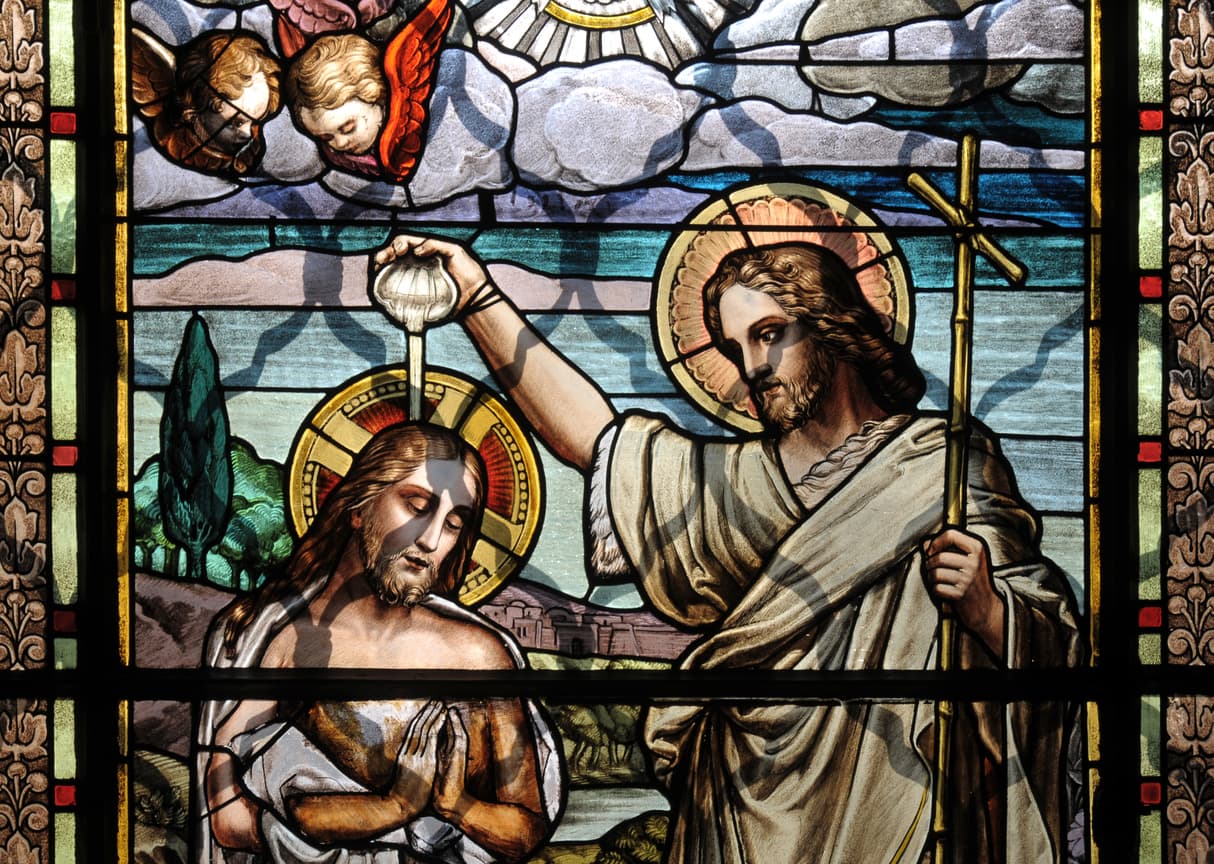
God's grace
According to the thesaurus, synonyms for God's grace include divine grace and divine favor. These terms are used interchangeably in the Bible, as well as in daily life.
In fact, in Middle English, the word 'grace' itself meant God's favor or help.
There is no single use for the word “grace,” even in the Bible. However, when mentioned, the first thing we can connect it to is salvation.
Grace is viewed as God's spontaneous gift. There is no such thing as bad grace. Instead, it is the most beautiful gift from God.

Grace is help given by God to his faithful children because He wants us to have it, not necessarily because we merit it or have done anything to earn it. He bestows His help upon us because He chooses to do so.
From the outside, grace can seem undeserved. However, as Christians, it is not our job to determine who is deserving of God's divine assistance. We do not question God's decisions — instead, we should have everlasting faith in His actions.
Similarly, the saying “by the grace of God” is related to “God's grace.” This saying refers to the assistance of God. If you were to tell someone, “By the grace of God, get to your destination safely,” it simply means, “With God's help, may you get to where you are going unharmed.”
The expression “state of grace” also utilizes this very important word. In this case, it refers to asking God for the forgiveness of one's sins.
Grace in Christianity
In Christianity, we speak of God's grace as an attribute of God.
God's grace is commonly seen in relation to the salvation of sinners, and God extends His grace to all of His children. God's free grace allows for anyone to receive eternal life who believes the Son of God, Jesus Christ, died for their sins on the cross.
Grace is free, and when we show grace to others, we inspire them to do the same. It is the idea of receiving something from another and then passing it along, and the next person does the same. The result of this act is called “paying it forward.”
By paying forward grace, we see the results of an environment changing dramatically around us. The act of being gracious in the Christian community can help shape the world we live in for the better. By being gracious, we can become better people and improve the lives of those around us.
Grace in the Bible
When grace is spoken about in the Bible, it is often spoken regarding God's grace.
In both the Old and New Testaments, God's grace is a gift that he bestows spontaneously upon others. It is a gift that is an unmerited favor, and it is given freely by God. An example of God's grace is His act of sending His only son to die on the cross to give humanity salvation from their sins.
Never has such a gift of love and selflessness ever been given. Our Heavenly Father sent His only son Jesus Christ to die for us so that we can enter the Kingdom of Heaven. This is the purest act of grace and love that is meant to save every soul on Earth.

In scripture, there are many acts of grace. In fact, the original Hebrew word for grace, chen, occurred 69 times in the Old Testament.
For instance, in Genesis 6:8, we first hear of God's grace/favor. The Old Testament explains Noah had found favor from the Lord, and that is why God saved him from the floods. As a result of God's graciousness, Noah lived.
The Old Testament also explains how others can show grace through their own generosity by displaying acts of kindness and performing gracious deeds such as aiding the less fortunate.
We also see many mentions of grace in the New Testament, such as in Romans 3:24:
“And all are justified freely by his grace through the redemption that came by Christ Jesus.”
Grace calls to us from God and is given to us not because we deserve it but because of God's love. This is told to us in 2 Timothy 1:9:
“He has saved us and called us to a holy life—not because of anything we have done but because of his own purpose and grace. This grace was given us in Christ Jesus before the beginning of time...”
Grace is mentioned again in Romans 15:16, in reference to being “sanctified by the Holy Spirit.” In this scripture, Paul is given the task of speaking the gospel so that the Gentiles can experience the sanctification of God, or His grace, meaning the process of becoming free from sin:
"...to be a minister of Christ Jesus to the Gentiles. He gave me the priestly duty of proclaiming the gospel of God, so that the Gentiles might become an offering acceptable to God, sanctified by the Holy Spirit."
Lastly, grace teaches us. It shows God's children that we do not have to live in a world of sin when salvation has been offered. This is expressed in Titus 2:11-12:
“For the grace of God has appeared that offers salvation to all people. It teaches us to say “No” to ungodliness and worldly passions, and to live self-controlled, upright and godly lives in this present age.”
We are saved through God’s amazing grace
We do not earn God’s grace, others cannot take it away, and He gives it freely.
There are many ways we can embrace God's grace and pay it forward. As Christians, we can live through God's example and His grace by giving clemency to those who have wronged us. This is a pleasing quality to God.
We can spread the word of God and help those who are having a moment of crisis. We can volunteer our free time and energy to help those who are less fortunate.
We must remember God's grace saves us, and in return, we are forever His faithful and loving children. By spreading God's grace, we can beautify this world we live in and make it better. When we live His word, we are embracing everything He has given to us freely.
For more prayer guidance, download the Pray.com app on the iOS App Store and Google Play.
Thousands of guided prayers, read aloud. Start with the one this article is about.
Start praying with Pray.comReferences
- the thesauruspowerthesaurus.org
Keep reading
- New York Times Article: Finding God in the App StoreLauren Jackson explores the booming "faith tech" industry where tens of millions are using AI chatbots for spiritual guidance. The article examines apps like Bible Chat (30M+ downloads), Hallow, and PRAY.COM (25M downloads) that offer 24/7 digital chaplaincy services, raising questions about technology's role in religious practice.Faith & Wisdom · 6 min read
- You Have Not Because You Ask Not: Bible Verse ExplainedLearn about the meaning of James 4:1-3 with Pray.comFaith & Wisdom · 8 min read
- Meaning Of Rainbow In The Bible: Interpreting The Symbol Of HopeWhile we often associate rainbows with children's toys, their hopeful message dates back to the Book of Genesis. In this article, we want to help you understand that history better.Faith & Wisdom · 12 min read
- 10 Powerful Father's Day Prayers and BlessingsThe Power of Praying For the Dads in Your Life "A good father is one of the most unsung, unpraised, unnoticed, and yet one of the most valuable assets in our society." - Billy…Faith & Wisdom · 5 min read
- 10 Heartfelt Prayers for Friends: A Guide to Strengthening Bonds through FaithThe Power of Prayers in Friendship Friendship is a beautiful gift that enriches our lives with joy, support, and shared moments.Faith & Wisdom · 3 min read
- When Does Lent Start and End?The word Lent comes from an old English word, “lencten”, which means “spring season”. It is a time of religious observance, covering the 40 days from Ash Wednesday to Holy Thursday (Maundy Thursday).Faith & Wisdom · 6 min read
- The Beauty of Easter: A Journey of Resurrection, Redemption, and CelebrationEaster stands as a radiant celebration, echoing with profound significance in the hearts of Christians worldwide. In this article, we will thoughtfully explore the biblical origins, cherished traditions, and the immeasurable joy that Easter brings to believers.Faith & Wisdom · 3 min read
- What's Ash Wednesday? It’s Meaning and History ExplainedApart from Christmas and Easter, Ash Wednesday is one of the most attended Masses of the year for the Catholic Church.Faith & Wisdom · 6 min read
- What Happened at the Cross of Jesus?One of the most captivating stories in the Bible is the life and death of Jesus Christ. You could argue the crucifixion of Jesus is the most tragic story of them all.Faith & Wisdom · 6 min read
- Palm Sunday: Meaning, Story In The Bible, and Its Importance For ChristiansExplore the Biblical events that brought Jesus to Jerusalem as a Savior & King.Faith & Wisdom · 13 min read