Faith & Wisdom
Apostle Paul’s Death: Lessons and Story
Discover the timeline of the life of the apostle Paul.
By PRAY.COM Editorial Team · Published · Updated · 7 min read
Share this
Key takeaways
- The apostle Paul is considered one of the most important figures in establishing the Christian religion across Asia minor and Europe at the beginning of the first century.
- We can trace a rough timeline of the apostle Paul’s life, his key missionary excursions, and eventual death from the autobiographical accounts of the epistles of Paul and from scripture, such as the book of Acts.
- As stated earlier, being born a Jew, the apostle Paul wasn’t fond of the Christian faith.
- Upon witnessing the light of the Lord, Paul asked what was expected of him.
- Paul embarked on three missionary journeys over the course of his ministry, each time telling of the origin and prominence of Jesus as a savior sent by God.
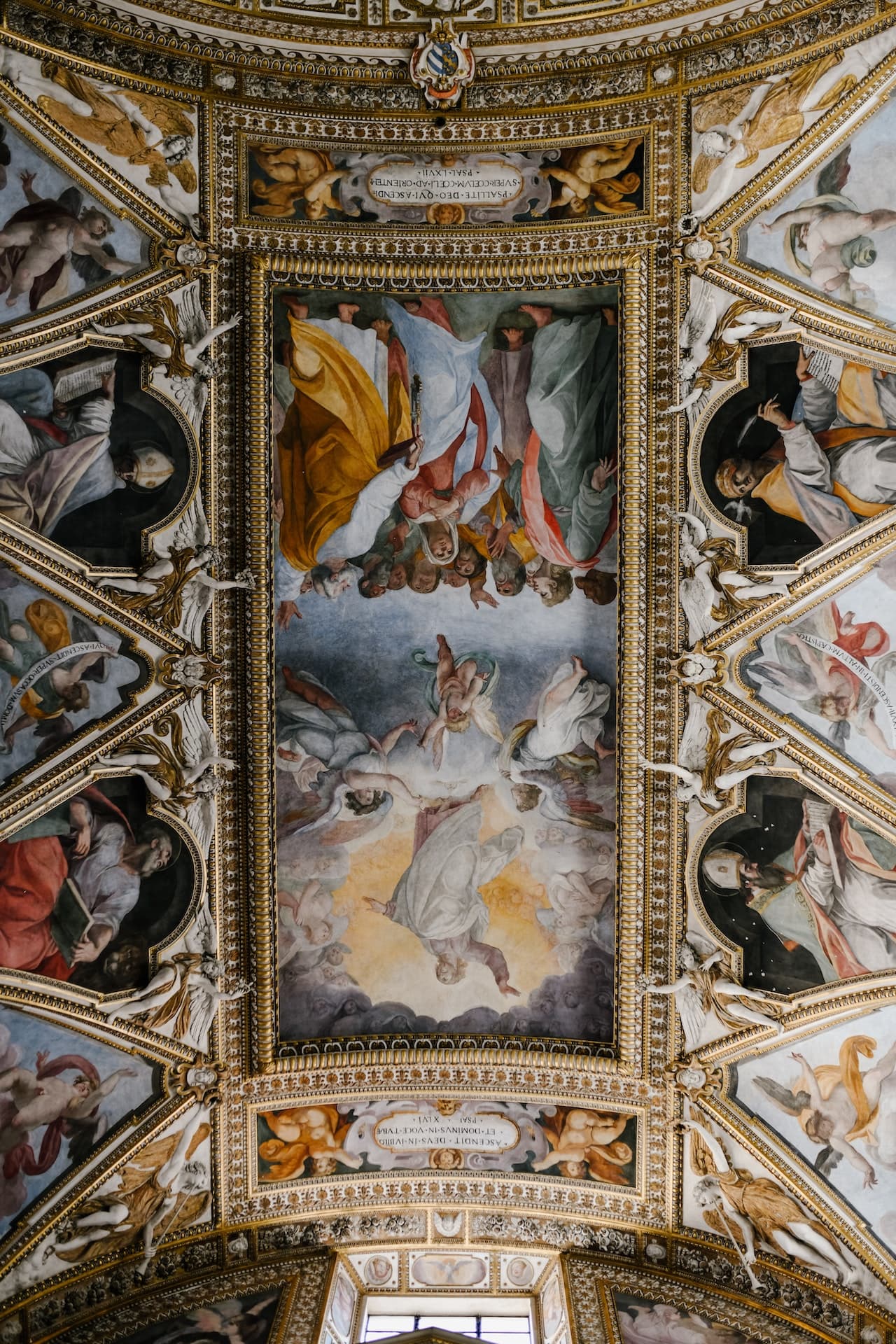
While not featured as one of the 12 apostles, it’s hard to deny the significance of the apostle Paul’s contribution to Christianity.
Originally a pharisee and therefore a practicing Jew, the apostle Paul experienced a divine conversion event that set him on the path toward some of the most important missionary journeys in history.
His experiences led him to author 14 of the 27 books in the New Testament, and his spiritual lessons live on today in almost every corner of the Christian faith.
But what do we know about the history of the apostle Paul? Of his life before his conversion and his death?
Drawing from epistles and the book of the Acts of the Apostles, we can put together an overview of the life of the apostle Paul — his early experience, religious conversion, teachings, and eventual death.
Who was the apostle Paul?
The apostle Paul is considered one of the most important figures in establishing the Christian religion across Asia minor and Europe at the beginning of the first century.
His missionary journeys took him across continents, where he introduced Jesus Christ as a bringer of salvation, converted local populations, and established Gentile churches and communities.
He also wrote many books in the New Testament, including Philippians, Ephesians, 1 and 2 Timothy, Galatians, and Romans.
But what of the man himself?
Paul, or in the original Hebrew, ‘Saul,’ was a Roman citizen of Tarsus and a Pharisee with Jewish heritage.
Because of his devout Jewish upbringing, he hated Christians and Christianity and was an active persecutor of ‘Jesus followers’ — specifically early Christians in Jerusalem.
That was, until his encounter with Jesus and conversion event.
Paul described this event across his writings, including the Pauline epistles, the book of Acts, Corinthians, and Galatians. It took place on the road to Damascus, where he was struck with a vision of an ascended Jesus, which blinded him.
“‘Saul, Saul, why do you persecute me?' He asked, 'Who are you, Lord?' The reply came, 'I am Jesus, whom you are persecuting” (Acts, 9:4-5).
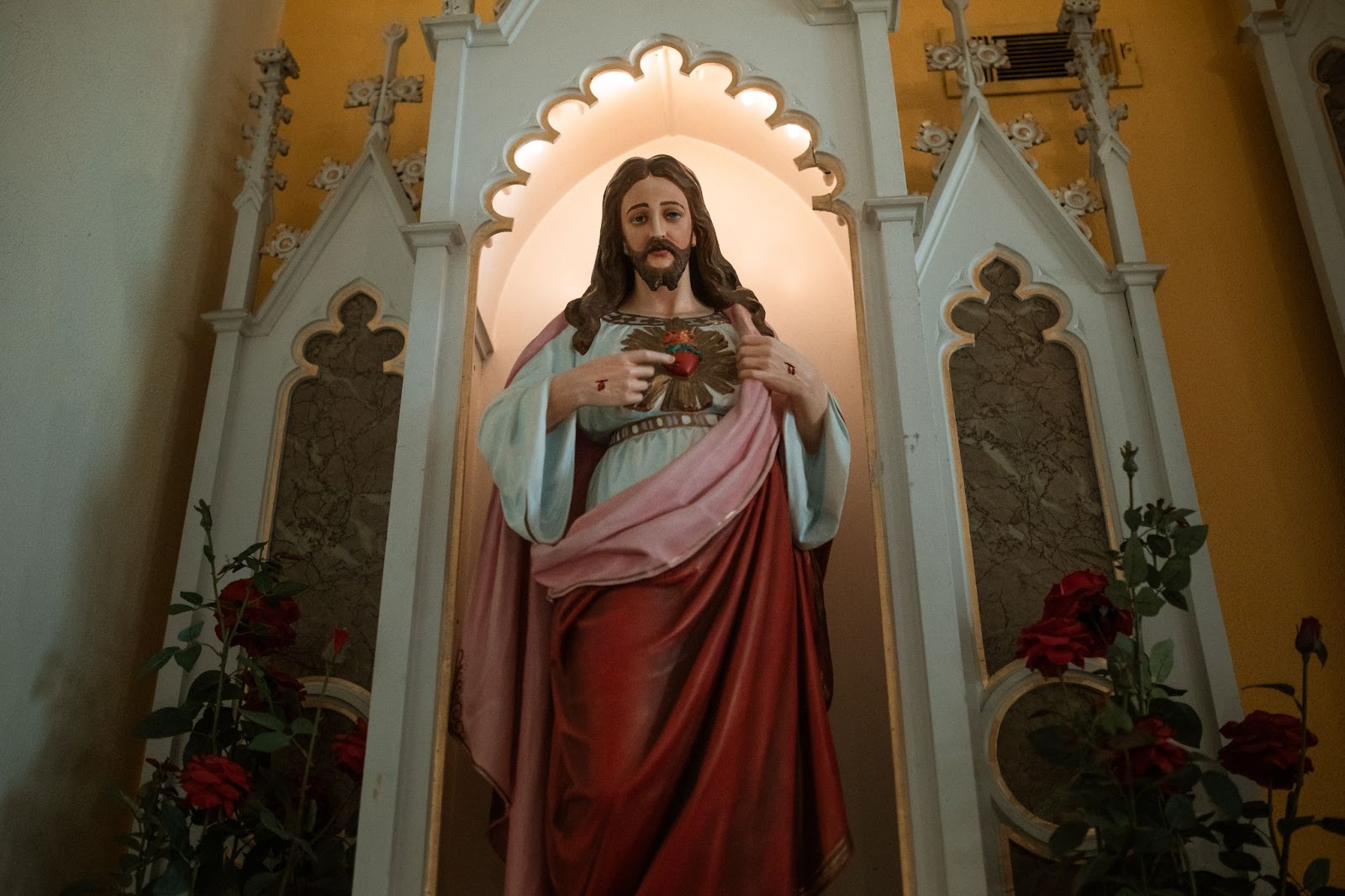
His associates led him by hand to Damascus, which took three days, during which he fasted and prayed. There, he met Ananias of Damascus, who restored Paul's sight through a miraculous act of healing. Following this, Paul was baptized, consecrating his conversion to Christianity.
Through his newfound faith, the apostle Paul went on to become a miracle worker, leader, prolific religious author, and dedicated missionary.
Life and death of the apostle Paul
We can trace a rough timeline of the apostle Paul’s life, his key missionary excursions, and eventual death from the autobiographical accounts of the epistles of Paul and from scripture, such as the book of Acts.
Paul was likely born between the years of 5 BC and 5 AD. We can break his life up into four key stages which relate to his contributions to Christianity.
Persecution of Christians
As stated earlier, being born a Jew, the apostle Paul wasn’t fond of the Christian faith. In Galatians, Paul explains the severity of his persecution.
“You have heard, no doubt, of my earlier life in Judaism. I was violently persecuting the church of God and was trying to destroy it. I advanced in Judaism beyond many among my people of the same age, for I was far more zealous for the traditions of my ancestors” (Galatians 1:13-14).
This speaks to the impact of his eventual conversion event, where he was confronted with the image of Jesus.
Conversion
Upon witnessing the light of the Lord, Paul asked what was expected of him.
“And he trembling and astonished said, Lord, what wilt thou have me to do? And the Lord said unto him, Arise, and go into the city, and it shall be told thee what thou must do” (Acts 9:6).
After arriving at his destination and meeting with Ananias of Damascus, the Lord provided instructions through Ananias that shaped Paul’s path as a missionary.
“Go thy way: for he is a chosen vessel unto me, to bear my name before the Gentiles, and kings, and the children of Israel” (Acts 9:15).
With this, Ananias was able to restore Paul’s sight through the Holy Ghost.
Ministry
Paul embarked on three missionary journeys over the course of his ministry, each time telling of the origin and prominence of Jesus as a savior sent by God. He traveled through Greece, Syria, Turkey, Macedonia, Arabia, and Spain but based most of his work and ministry in Antioch.

Paul would profess Israelite history, introducing Jesus as a descendant of David brought to Israel by God. He would proclaim during his talks that he and his journeymen were bringing a message of true salvation.
He recounted the story of Jesus' death and resurrection, which sometimes upset the influential Jews who occupied whatever territory he journeyed to.
Death
Eusebius, a Christian historian of the third century, states that Paul’s death occurred as a result of the persecution of Christians under Emperor Nero Claudius Caesar Augustus Germanicus’s rule over the Roman Empire sometime after the Great Fire of Rome.
Peter and Paul were both sentenced to death, and Paul was beheaded, according to Dionysius of Corinth. His death is considered an act of martyrdom, and Pope Clement remarked in his Epistle to the Corinthians that Paul gave his testimony to the rulers of Rome and displayed patient endurance awaiting his beheading.
What did the apostle Paul die for?
With his significant contributions to the establishment of Christianity and the Christian tradition, the apostle Paul was given sainthood and is now mostly referred to as Saint Paul. His remains rest in Rome, Italy, in what Christian author Caius describes as "Ostian Way," referring to the road of Via Ostiense.
St. Paul died in an act of martyrdom, which speaks to his devoted belief in the teachings of the Bible and Jesus Christ’s sacrifice on the cross for our sins.
We celebrate the life of the apostle Paul on January 25, in a tradition known as ‘the feast of the conversion of Saint Paul.’
To learn more about early Church history, Bible stories, and more, download the Pray.com app in the iOS App Store or on Google Play.
Quick answers
- Who was the apostle Paul?
- The apostle Paul is considered one of the most important figures in establishing the Christian religion across Asia minor and Europe at the beginning of the first century.
- What did the apostle Paul die for?
- With his significant contributions to the establishment of Christianity and the Christian tradition, the apostle Paul was given sainthood and is now mostly referred to as Saint Paul. His remains rest in Rome, Italy, in what Christian author Caius describes as "Ostian Way," referring to the road of Via Ostiense. St.
Topics
Keep reading
- Lazarus In The Bible: A Biblical study of Life, Death & ResurrectionThe story of Lazarus takes place in the town of Bethany during the lifetime of Jesus Christ. Lazarus and his two sisters, Mary and Martha, were close friends of Jesus.Faith & Wisdom · 6 min read
- When Did Jesus Die and Why Did He Die For Us?We know so much about the miraculous acts of the Lord, his importance in the trinity, and even his compassionate and forgiving nature. Less, however, is known about his personal biography.Faith & Wisdom · 7 min read
- 6 Comforting Bible Verses After The Loss Of A Loved OneDiscover the Christian perspective on death & six comforting verses for those grieving after a loved one.Love & Relationships · 13 min read
- Living Through the Loss of a DaughterEpisode 1 of the Relentless Hope Podcast The Relentless Hope Podcast, hosted by Steve Gatena, founder of PRAY.COM, shares vulnerable testimonies from the world’s most passionate…Leadership · 2 min read
- Weekly Wisdom: He Never LeavesGod renews our strength when we come to Him. Even in grieving, He gives us strength to serve. Caring for the needs of others brings healing.Weekly Wisdom Devotionals · 2 min read
- New York Times Article: Finding God in the App StoreLauren Jackson explores the booming "faith tech" industry where tens of millions are using AI chatbots for spiritual guidance. The article examines apps like Bible Chat (30M+ downloads), Hallow, and PRAY.COM (25M downloads) that offer 24/7 digital chaplaincy services, raising questions about technology's role in religious practice.Faith & Wisdom · 6 min read
- You Have Not Because You Ask Not: Bible Verse ExplainedLearn about the meaning of James 4:1-3 with Pray.comFaith & Wisdom · 8 min read
- Meaning Of Rainbow In The Bible: Interpreting The Symbol Of HopeWhile we often associate rainbows with children's toys, their hopeful message dates back to the Book of Genesis. In this article, we want to help you understand that history better.Faith & Wisdom · 12 min read
- 10 Powerful Father's Day Prayers and BlessingsThe Power of Praying For the Dads in Your Life "A good father is one of the most unsung, unpraised, unnoticed, and yet one of the most valuable assets in our society." - Billy…Faith & Wisdom · 5 min read
- 10 Heartfelt Prayers for Friends: A Guide to Strengthening Bonds through FaithThe Power of Prayers in Friendship Friendship is a beautiful gift that enriches our lives with joy, support, and shared moments.Faith & Wisdom · 3 min read