.jpg&w=3840&q=75)
Faith & Wisdom
Hosanna: Bible Verse and Importance Of Its Meaning For Christians
Have you ever heard "Hosanna" and wondered what it meant? This article will teach you the history of the word.
By PRAY.COM Editorial Team · Published · Updated · 10 min read
Share this
Key takeaways
- The word "Hosanna" comes from the Greek word "ὡσαννά.
- The word "Hosanna" appears in five New Testament passages.
- Though the word "Hosanna" isn't one most Christians hear daily, people still use it during Easter week, holidays, and in Church.
- "Hosanna" conveys the two states of spiritual well-being.
- If people from Biblical times could live in our world today, they'd be shocked at how much the world has changed.

New prayers every day, read aloud so you can pray along.
- Morning
- Pray Daily
- Midday
- Pray Midday
- Night
- Pray Nightly
Free, and millions of people already pray with Pray.com.
If you listen to worship songs regularly, you may have caught yourself singing the lyrics "Hosanna. Hosanna. Hosanna in the highest," from the famous song "Hosanna." Alternatively, you may have run across the term "Hosanna" during Bible study.
Either way, you've probably wondered: "what does Hosanna mean?"
Though the term "Hosanna" holds strong Biblical significance, it's not a word most people say daily. This article will help you understand "Hosanna" better. Specifically, we'll cover Hosanna's meaning, where it appears in the Bible, and what we can learn from it as Christians.
Advertisement
What does "Hosanna" mean?
The word "Hosanna" comes from the Greek word "ὡσαννά." Many scholars believe that "ὡσαννά" is the transliteration of the Hebrew words " יָשַׁע" ("Yasha," or "to save or deliver") and " אָנּאָ" ("Anna" or "please, I beseech"). Transliteration is the process of transferring a word into a different alphabet.
Alternatively, other scholars suggest that "Hosanna" comes from "הוֹשַׁ֣ע" ("Yasha"), which means "salvation" in Hebrew. "Hosanna" is also occasionally shortened to "Osanna."
No matter the root of the word, the meaning of "Hosanna" is the same. Today, you might use Hosanna as a synonym for phrases like "praise you and save us, God," and "deliver us in your glory."
This lines up with the 21st-century translation of "Hosanna" — as it becomes "please save us." This plea for both has two contexts within the Bible. In one context, Hosanna is a desperate plea to God for support. In the other, it's a word of praise for God's divine powers (similar to "Selah" or "Hallelujah").
Hosanna in the Bible
The word "Hosanna" appears in five New Testament passages.
The first time it appears is in Matthew 21:9: "And the multitudes that went before, and that followed, cried, saying, Hosanna to the son of David: Blessed is he that cometh in the name of the Lord; Hosanna in the highest." Here, Matthew describes "Hosanna" as a cry of praise that the crowds of Jerusalem gave to Jesus during his triumphal entry into the city on Palm Sunday.
Advertisement
People used "Hosanna" in a similar context in the other four "Hosanna" verses. These verses include:
- Matthew 21:15: "And when the chief priests and scribes saw the wonderful things that he did, and the children crying in the temple, and saying, Hosanna to the son of David; they were sore displeased,"
- Mark 11:9: "And they that went before, and they that followed, cried, saying, Hosanna; Blessed is he that cometh in the name of the Lord:"
- Mark 11:10: "Blessed be the kingdom of our father David, that cometh in the name of the Lord: Hosanna in the highest."
- John 12:13: "Took branches of palm trees, and went forth to meet him, and cried, Hosanna: Blessed is the King of Israel that cometh in the name of the Lord."
All of these verses reference the way people responded to our Savior Jesus Christ during the lead-up to his crucifixion, and we can understand the two contexts of "Hosanna" pretty well by reading them.
While each cry of "Hosanna" carries joy and gratitude for Jesus, they also convey people's desperation and fear.
The people who accepted Jesus as their Savior and waved palm branches in his honor understood that they needed intervention from the highest heaven to save them. As many Christians understand personally, acknowledging that you need saving forces you to confront your sins, flaws, and the things that make you sad. Thus, it's both painful and joyous.
Though "Hosanna" only appears briefly in the Bible, you can see the spirit of the word in other Bible verses (like Psalms 118:25-26) and even in Jesus's other names (especially "Messiah," "Savior," and "The Good Shepherd").

If you look up the Hosanna Bible verses in your own Bible, you may be surprised to see "praise God" instead. As "Hosanna" is an uncommon word in the 21st century, some translations (like the New Living Translation or "NLT") translate the word to make comprehension easier for readers.
Advertisement
"Hosanna in the highest" meaning
When reading Matthew 21:9 and Mark 11:10, you might notice that "Hosanna" appears in the phrase "Hosanna in the highest."
As "Hosanna in the highest" sounds slightly clunky in modern-day English, it can be tricky to determine its meaning. But we can understand it by looking at how people in Biblical times used it and how it changed after the crucifixion of Jesus.
When people cried "Hosanna in the highest" in Jerusalem, they praised Jesus by emphasizing that he is the son of God. After Jesus's crucifixion, his followers fully realized the sacrifice he had made for them.
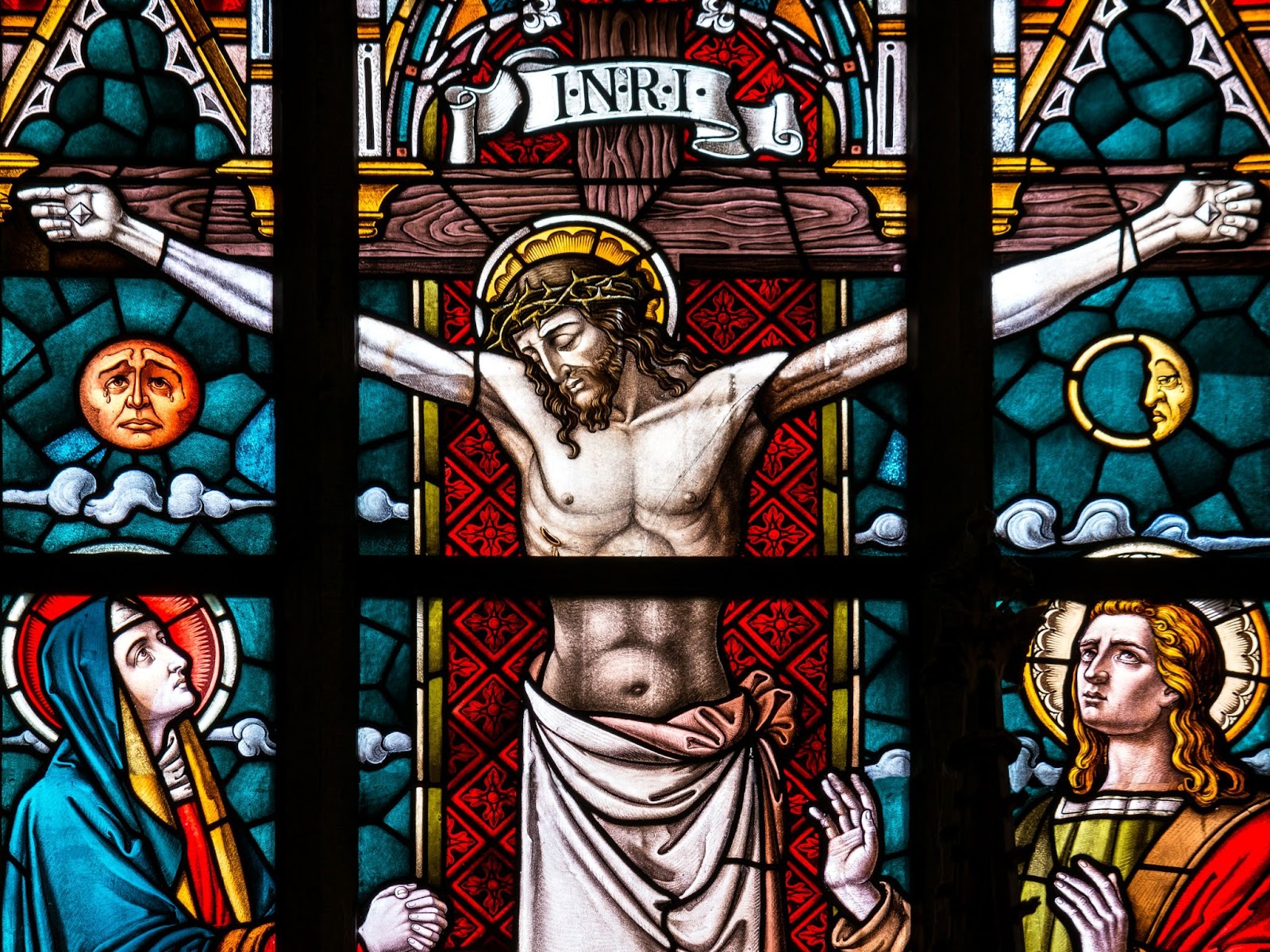
Thus, "Hosanna in the highest" took on a different meaning. So when we use it today, it's a cry of praise and thanks for Jesus's great sacrifice and the salvation it brought us as God's children.
How do we use "Hosanna" today?
Though the word "Hosanna" isn't one most Christians hear daily, people still use it during Easter week, holidays, and in Church.
For example, "Hosanna" appears in worship songs like "Hosanna" by Kirk Franklin, "Give Me Oil in My Lamp" by Cedarmont Kids, or "Hosanna to the King" by Akesse Brempong.
It also appears in prayers. In this context, you might either use "Hosanna" in a sentence like "Hosanna, o Lord Jesus, for you are our Savior" or right before you say "Amen." Alternatively, depending on your culture, you may use it as a shout of praise or a blessing in a similar context to "may God bless you, Amen."
Of course, Christians aren't the only ones who use "Hosanna." Many Jewish people use "Hosanna" as an expression during Sukkot ("סוכות or סֻכּוֹת" in Hebrew). Sukkot is a weeklong holiday that honors the years that God protected Jewish people as they traveled to the Promised Land through the desert.
What can we learn from "Hosanna" as Christians?
"Hosanna" conveys the two states of spiritual well-being. On the one hand, "Hosanna" is an exclamation of praise and amazement at God's power. But on the other hand, "Hosanna" is a desperate plea for help.
As Christians, we go through both spiritual states frequently.
You may feel elated and grateful to God when you get a promotion, meet a new friend, or reach a goal. Or, you may feel anxious and alone when money is tight, and your schedule is packed.
God is there for us through every second of our lives — positive and negative. Hosanna is a fantastic reminder of that and a call to remain faithful through all of the good and bad moments life brings.
Say "Hosanna" to God
If people from Biblical times could live in our world today, they'd be shocked at how much the world has changed. Likewise, it can be difficult for us to understand the way people used words like "Hosanna" 2,000 years ago.
But though the world has changed drastically, God's word remains the same. The Bible is a passage between Biblical times and now, and thus, we should learn from it.
Though we use "Hosanna" slightly differently than the people of Jerusalem, they followed a similar spiritual journey to you.
If you'd like to learn more about the Bible, listen to our series "James Earl Jones Reads The Bible." Or, to listen to other Pray.com content, you can download our app from the iOS app store or the Google Play store.
Advertisement
Quick answers
- What does "Hosanna" mean?
- The word "Hosanna" comes from the Greek word "ὡσαννά." Many scholars believe that "ὡσαννά" is the transliteration of the Hebrew words " יָשַׁע" ("Yasha," or "to save or deliver") and " אָנּאָ" ("Anna" or "please, I beseech"). Transliteration is the process of transferring a word into a different alphabet.
- How do we use "Hosanna" today?
- Though the word "Hosanna" isn't one most Christians hear daily, people still use it during Easter week, holidays, and in Church. For example, "Hosanna" appears in worship songs like "Hosanna" by Kirk Franklin, "Give Me Oil in My Lamp" by Cedarmont Kids, or "Hosanna to the King" by Akesse Brempong.
- What can we learn from "Hosanna" as Christians?
- "Hosanna" conveys the two states of spiritual well-being. On the one hand, "Hosanna" is an exclamation of praise and amazement at God's power. But on the other hand, "Hosanna" is a desperate plea for help. As Christians, we go through both spiritual states frequently.
Hear the Bible read aloud and follow series from pastors like Jack Graham.
Create a free accountFree to use. Going ad-free is optional.
Keep reading
 Tim Ross on Getting Canceled, Vulnerability and Being AnointedFaith & Wisdom · 9 min read
 AI and the Planet: What Two Pastors Say About the Water RumorFaith & Wisdom · 8 min read
 Fatherhood Beyond Being Home: Two Pastors on Presence and RepairFaith & Wisdom · 8 min read
- Stop Starting Over: Why Consistency and Multiplying Leaders MatterFaith & Wisdom · 8 min read
- Why People Don't Know What to Believe: Chris Palmer on NihilismFaith & Wisdom · 8 min read
- How to Define Success When Your Season Looks DifferentFaith & Wisdom · 8 min read
- Why the Church Needs All Five Ministry GiftsFaith & Wisdom · 8 min read
- Honoring Pastors Without Making Them KingsFaith & Wisdom · 8 min read
- What an Atheist's 30-Day Experiment Teaches About Daily FaithFaith & Wisdom · 8 min read
- A Former Prime Video Policy Head on Faith, Film and The ChosenFaith & Wisdom · 9 min read